
Monday morning. You open a new chat.
You explain the client again. Who they are, what they ordered last year, what you agreed on Thursday. You paste the house style. You attach the price list, the same one you attached last week. Twenty minutes in, the actual work starts.
Tomorrow you’ll do it again.
The models are good, but they forget everything you talked about with them. Every conversation starts close to zero, and you do the remembering for both of you.

What AI memory looks like today
To be fair, some tools now remember a little. If you use ChatGPT or Claude, you’ve seen it: a short list of facts about you, like your job and that you like short answers. Some will also search your old chats if you ask.
That’s a profile. It’s useful, but it’s small.
A profile also stays in one tool and one person’s account. Switch from ChatGPT to Claude and it stays behind. Hand the project to a colleague and it stays with you. We wrote about that side of the problem in Three problems we built IntoChat to fix.
What it forgets
What a profile never holds is the stuff that makes you fast at your job.
Your AI forgets how you did the work last time. Say a market study in March took a week to get right: the sources, the questions, the table at the end. In April you want the same study for another market. The AI has no idea there was a March, so you rebuild it from your own memory.
It forgets what was decided, and why. Three meetings settled the pricing, but the chat writing your proposal knows none of it unless you paste it in.
It can’t reach your own notes. You need one detail from documentation you wrote three days ago, and you’re in a meeting room with only your phone. The notes are on your laptop, and so is the assistant that knows where they are.
We ran the other version on ourselves
We know it can work differently, because for months our team has used a local setup that does remember. Every session is saved and indexed on its own. You never press save. Two sessions running at the same time even know about each other.
Ask it to “do the research the way I did it for that project,” and it goes through the folders, finds how the work was done, and offers to repeat it. Same sources, same steps, same format.
That one sentence replaces twenty minutes of explaining. Over a week, you get most of a morning back.
Its one limit: it lives on one laptop. Close the lid and it sleeps. Your team never sees it.
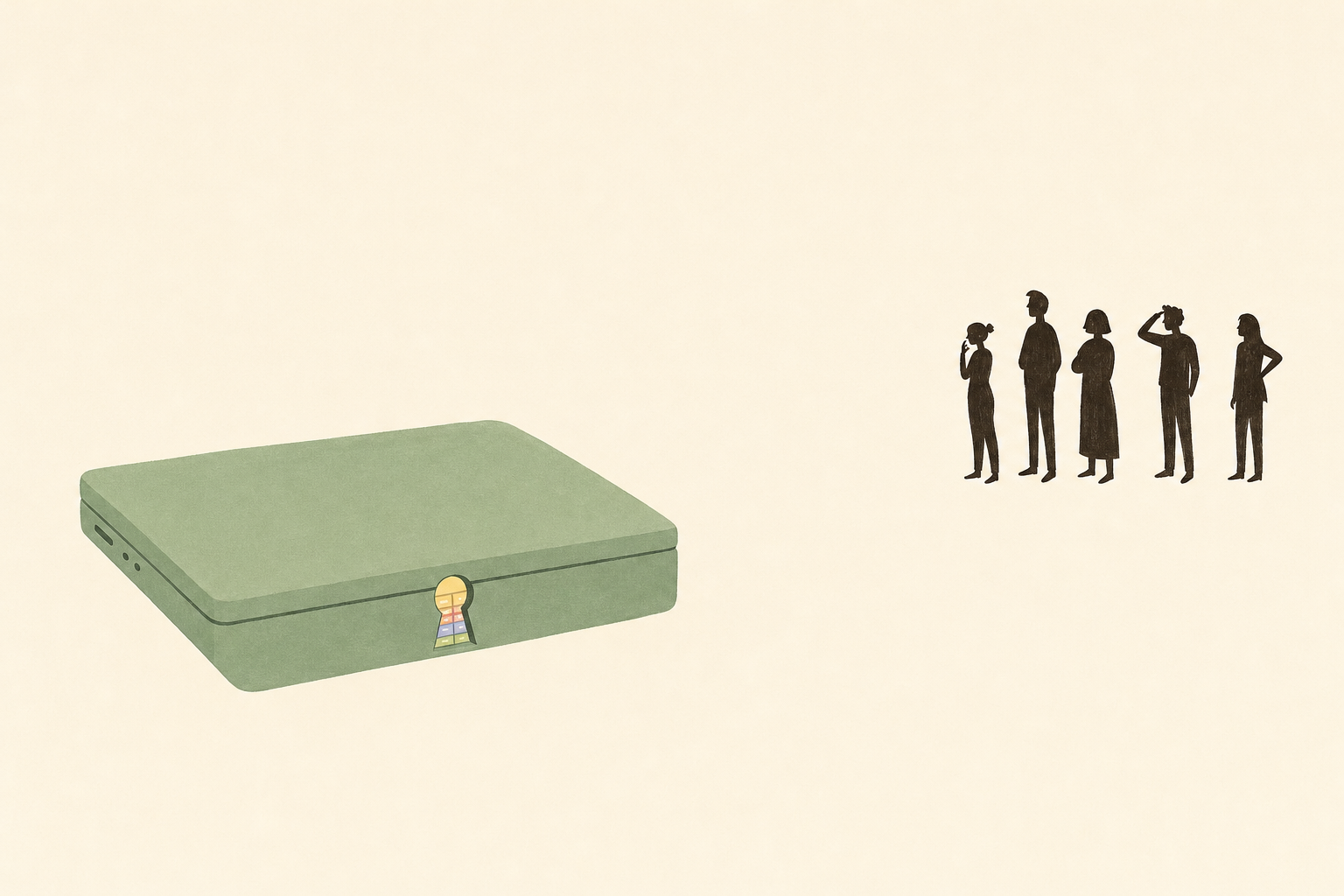
Context is what you tell it. Memory is what it learns.
Working this way also taught us that context and memory are different things.
Context is what you hand over: instructions, files, the house style. You write it, you keep it up to date, and you have to remember to.
Memory is what the assistant learns from working with you. Nobody writes it. It builds up because the work happened.
So context stops at whatever you remembered to write down, while memory keeps adding up.
How IntoChat will remember
That kind of memory is what we’re building into IntoChat: the principles of our local setup, moved to the cloud.
IntoChat keeps every conversation and makes it searchable, without asking you to save anything.
It learns in the background. While you work, a separate process reads what happened and updates what IntoChat knows. Every night it tidies up: archives, backs up, re-indexes.
It works out what you mean before it answers. It reads your last few messages, sees what you’re asking for, and pulls in what it already knows. You don’t have to name the right tool or file.
It keeps two levels: what you know, and what your company knows. Same engine, kept apart, with a step that decides which lessons belong to the team and which stay with you.
It’s the same memory on every device. Laptop, phone, browser. Your meeting-room question gets an answer.
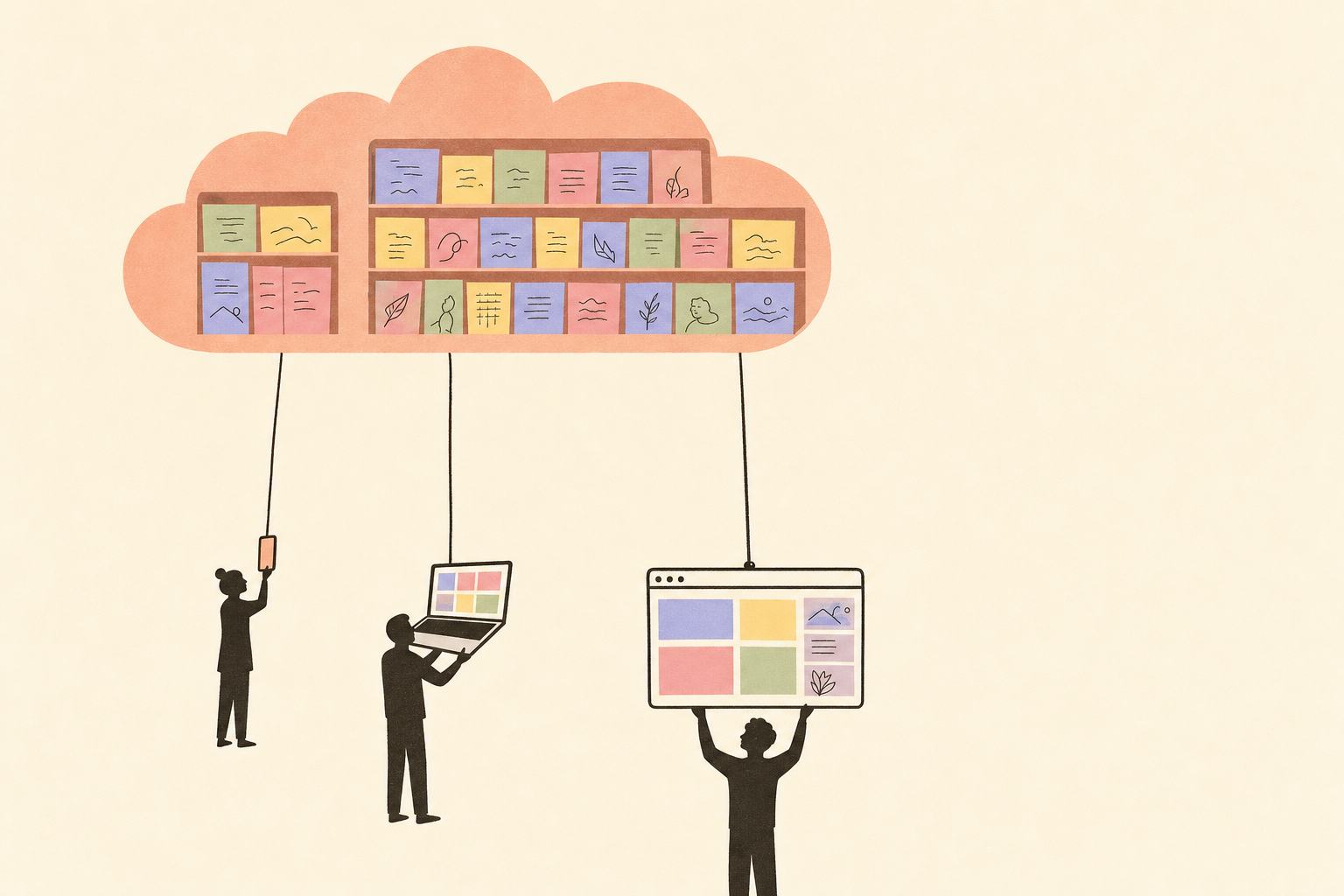
We’re starting with personal memory, and company memory comes next.
If you explain the same things to AI every week, tell us what they are. That’s the list we’re building against.