
Your company has a rule about AI. Maybe it says don’t use it. Maybe it says use only the one tool IT picked. Either way, what the rule says is not what’s happening.
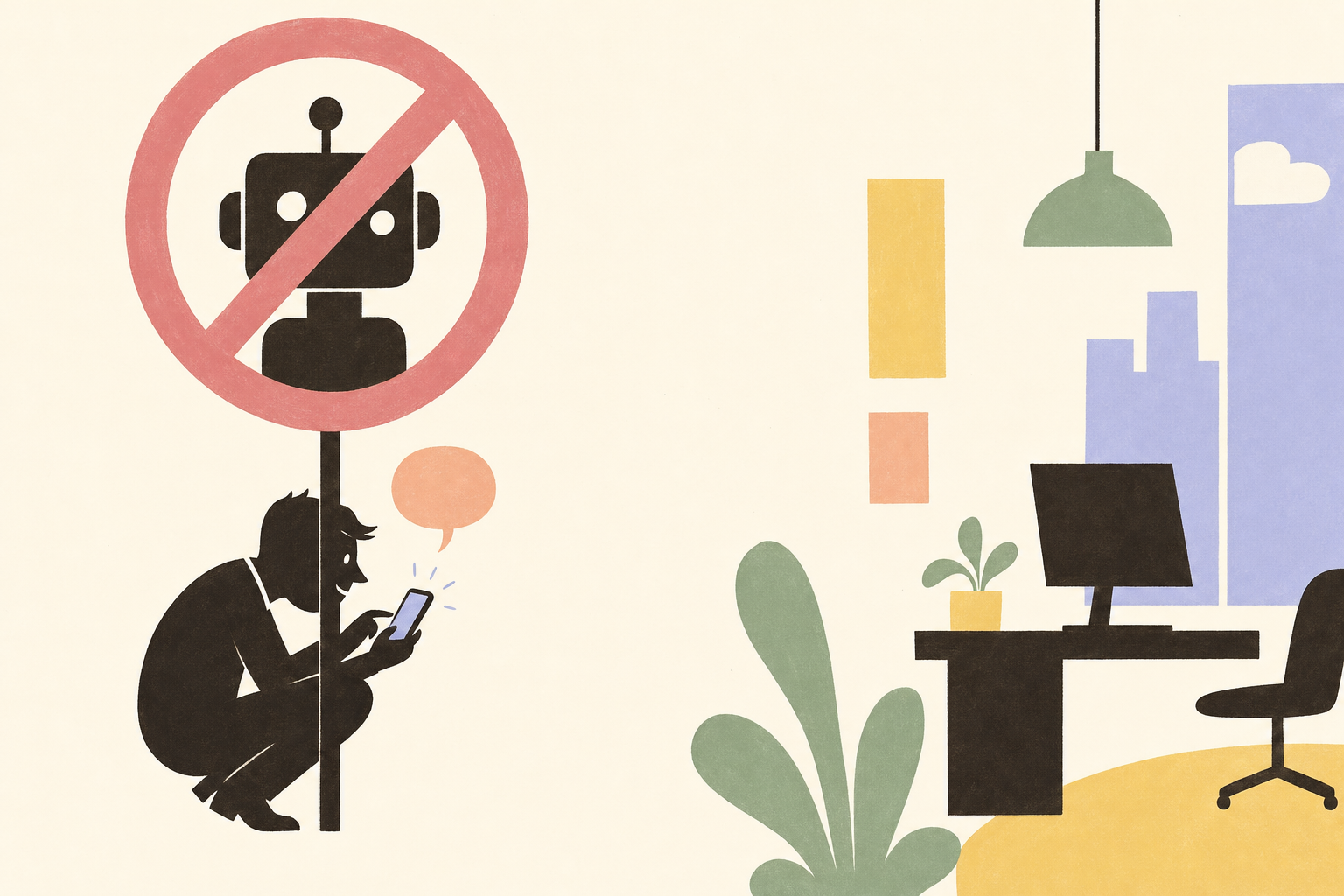
What’s happening is a sales rep pasting a customer’s email into a free chat on their phone to draft the reply. An analyst copying a list of field names into their personal account to compare two systems, because the approved tool can’t. A marketer and a founder sharing one login so that at least the two of them see the same answers.
We’ve watched this at a client of ours this year. The company ran an official AI pilot on a corporate tool whose model is nowhere near what OpenAI or Anthropic ship today. The results were poor, as anyone who had used the real thing could have predicted. The people in the pilot went back to the subscriptions they’d paid for themselves, and kept quiet about it. The ban moved the work out of sight. It didn’t move it out of the company.
So the question isn’t whether your staff will use AI. They do. The question is where the knowledge they feed it ends up, and who can see it.
Why the rule fails
A ban fails for a plain reason: people compare the approved tool with the one they use at home. If the home one writes a better email, the home one wins. No policy survives that comparison for long. Nobody wants to spend an hour on work they could hand to an assistant in a minute.
The approved tool loses that comparison because it was chosen for the wrong reasons. It passed a security review, it came from a vendor already on the list, it runs a model the company could license cheaply. None of that shows up in the answer. What shows up in the answer is the quality of the model, and the best models belong to a handful of companies that most corporate tools are a year, often years, behind.
So the real choice was never “AI or no AI”. It’s “AI we can see or AI we can’t”. As a colleague on that pilot put it: you either accept some risk and get a bit of control, or you accept no risk on paper and get zero control, and the risk happens anyway.
What leaves with the paste
Think about what’s in the prompt. A customer’s name and what they ordered. The price you gave them, and the discount you’d go to. The internal reason a deal is stuck. The draft of a decision nobody has announced yet. On many personal plans, what you type can be used to train the next version of the model unless someone switched that off, and nobody at your company knows whether they did. Your price list now sits with a third party, under terms your company never agreed to.
When that goes into a personal account, three things are true. The company can’t see it. The company can’t search it later, so the good answer the rep got in March is gone by April. And when the rep leaves, the account leaves with them, together with everything they taught it about your customers.
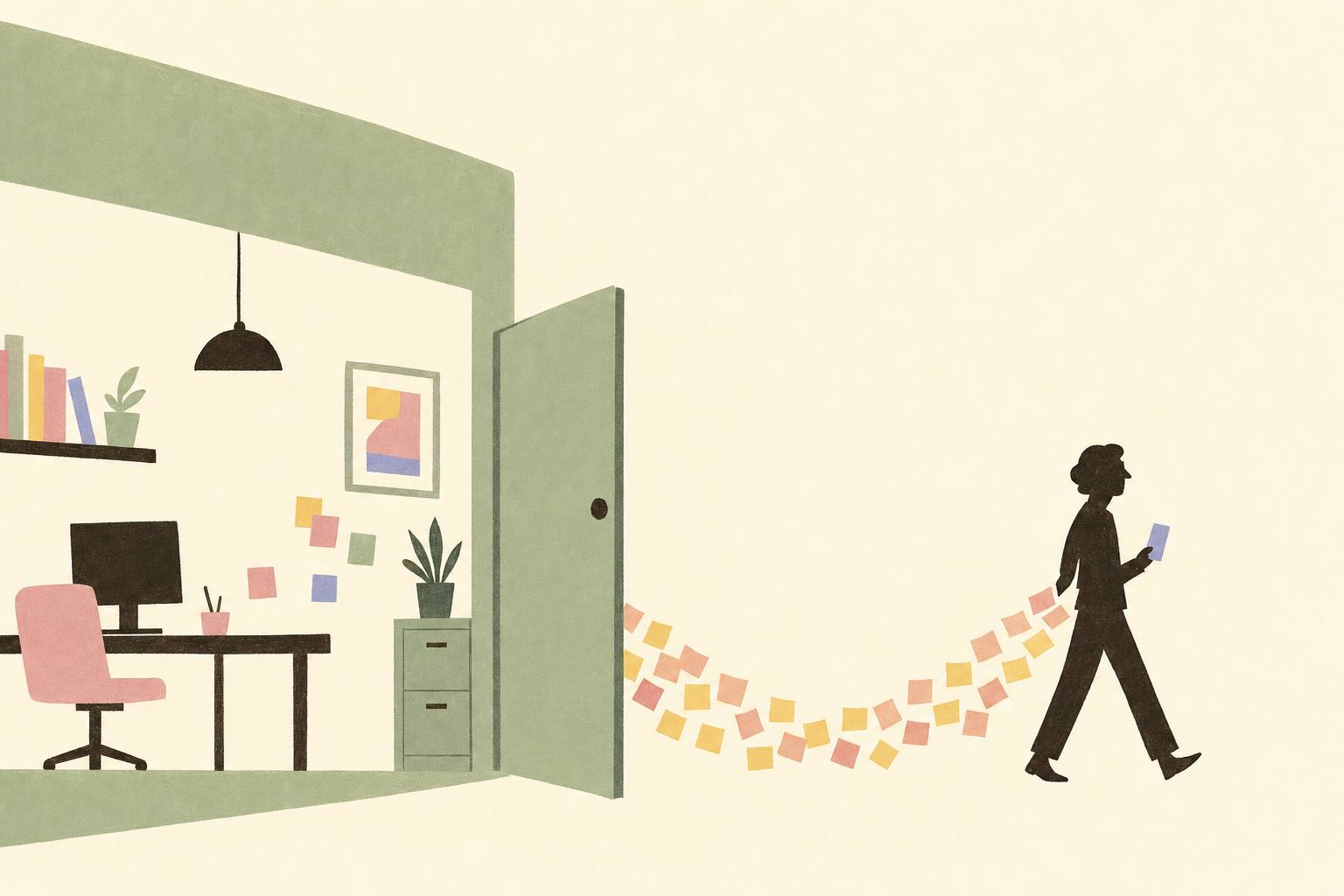
It gets worse with a team. At another client, each person had settled on a different tool: one on ChatGPT, one on Claude, one on a Gemini. Five people, five separate memories, and the company owned none of them. We wrote about that side of the problem in Three problems we built IntoChat to fix.
Not everything in a prompt is secret, though, and this is where a blanket rule does damage. One of us worked with an analyst whose job was to compare several hundred field names across three systems, by hand, under a policy that forbade AI. The field names were metadata: labels like “Customer segment” and “Last order date”, with no customer in them. There is no secret in metadata. The sensible rule was: use AI for the mechanical comparison, keep your own judgement for what the fields mean. The policy didn’t allow for that distinction, so it was ignored.
That is the real harm. A rule nobody can follow gets ignored, and people don’t ignore rules one at a time. Once the AI policy is known to be for show, the NDA, the pricing rules and the travel limits start to look negotiable too.
What control looks like
While building IntoChat, a chat that works on top of software like Salesforce, we had to decide what “control” should mean for a company. The easy answer was the corporate one: pick a tool, lock it down, ban the rest. Yet we’d just watched that fail.
Our conclusion is that control has three parts, and a ban delivers none of them.
The tool has to be as good as what people use at home. That means the frontier models, the ones from OpenAI and Anthropic, not a licensed substitute. If the approved tool gives a worse answer, the comparison is lost on day one and everything else is theatre.
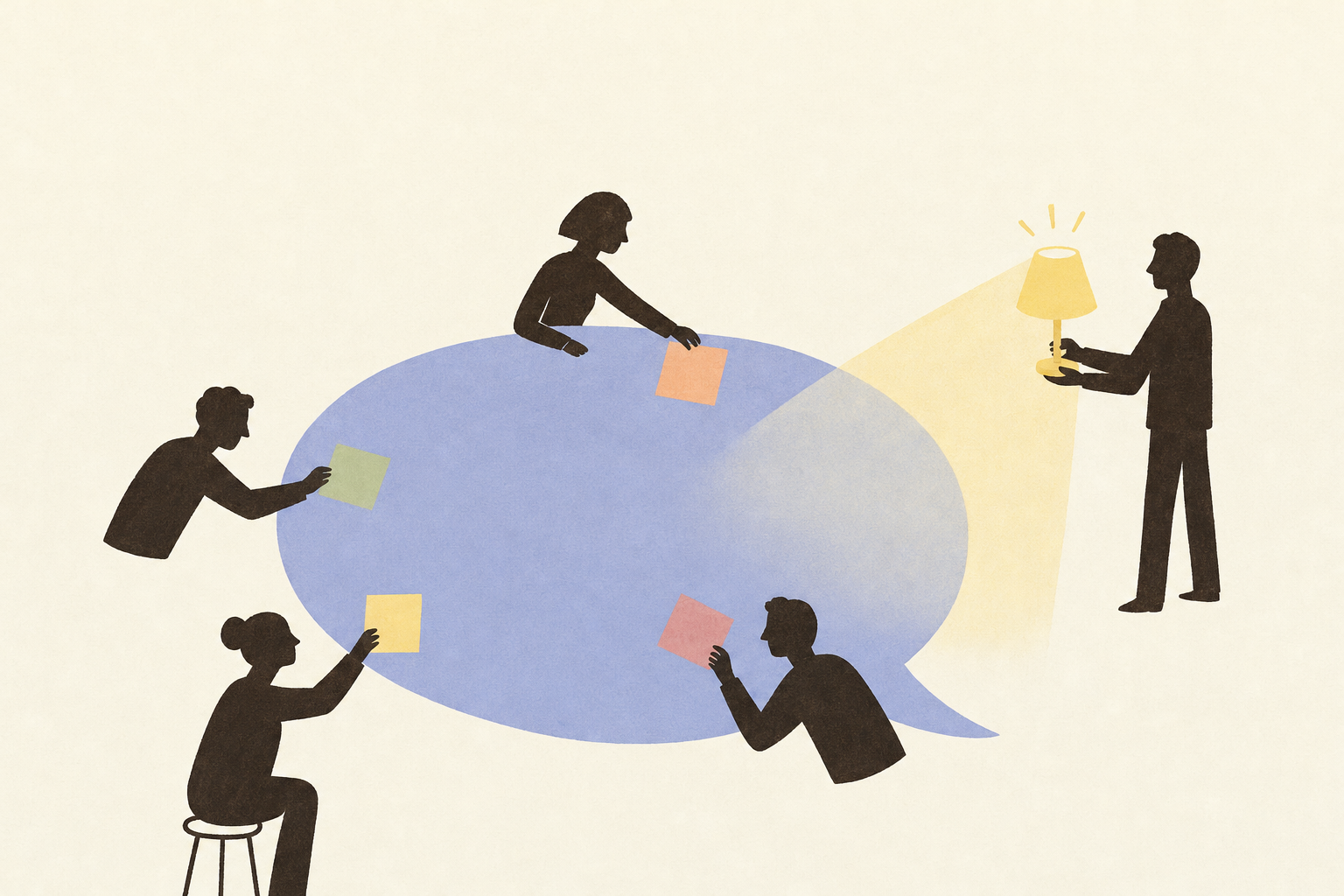
There has to be one shared place. What one person teaches the assistant about a customer, the next person should have. A correction made once (“that account is a boat dealer, not a vehicle dealer”) should hold for everyone. That only works if there’s a company memory, separate from each person’s own.
Someone has to be able to see. Who used it, for what, on which records, and what it cost. Which fields it may read and which it may change. What a person’s account knows that the company’s doesn’t. That split matters: your holiday plans don’t belong to your employer, and your employer’s pricing doesn’t leave with you.
None of this is a ban. All of it is more control than a ban ever gave.
A rule people can keep
The ban was never a security decision. It was a decision not to know. The work moved to personal phones, the company’s knowledge went with it, and the policy stayed on the intranet, intact and unread.
A rule people keep is one that gives them something better than breaking it. Give them a model as good as the one at home, in one place the whole team shares, where someone can see what it touched. Then the rule writes itself: use it here, for work, with work data. Nobody has to hide, and the knowledge stays where it was made.
So before you write the next AI policy, find out where the work is happening now. Ask three people which tool they used last week and what they pasted into it. Their answers are your current policy. The written one is just a wish.