
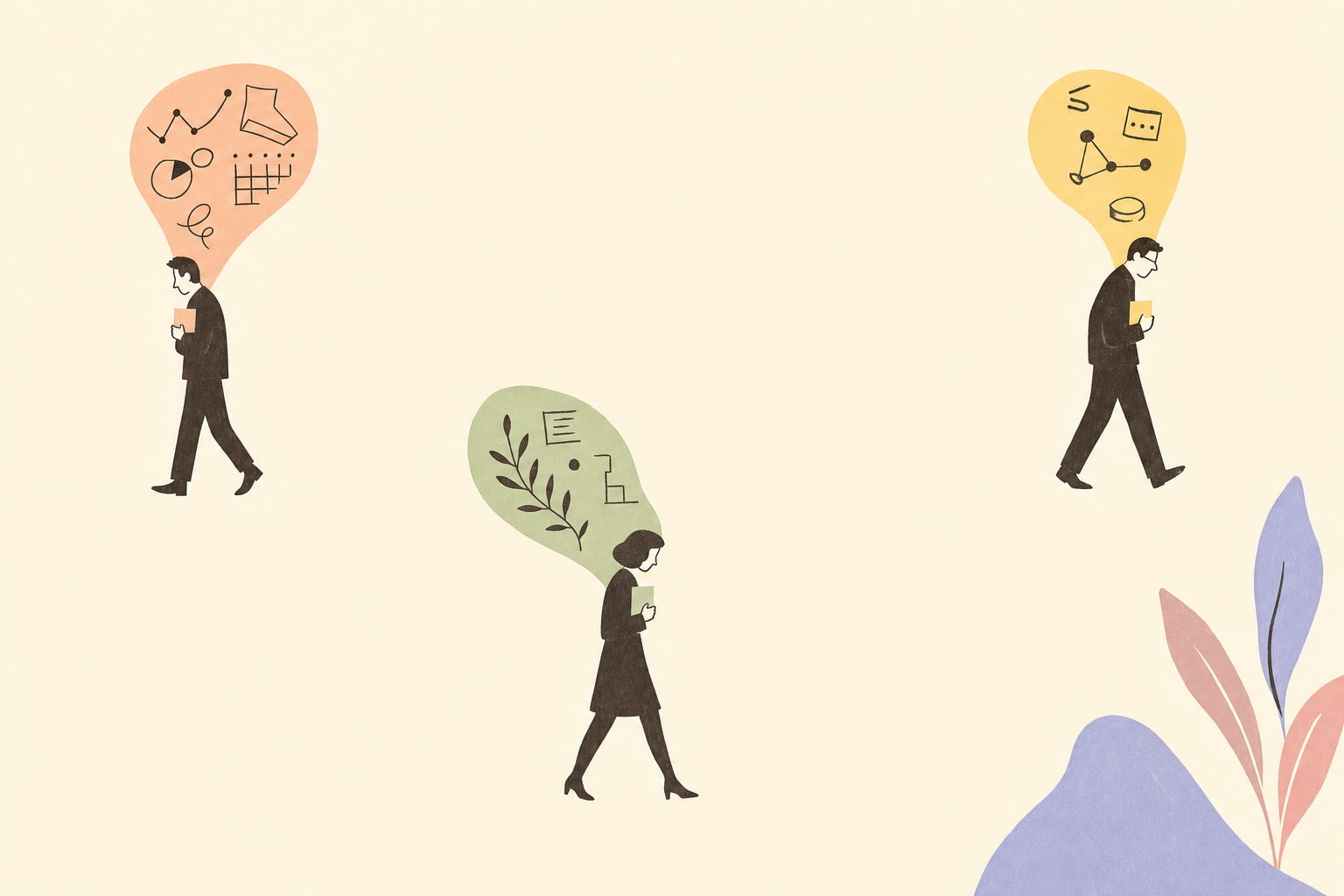
Somewhere in your company, someone worked out this week how to answer the question every new customer asks. Someone else found that one supplier always quotes in pounds. A third person learned the hard way that your biggest account wants invoices split by site.
None of that is written down. It lives in three people’s memory, and by Friday all three have moved on to other work.
That’s how a company learns: one person at a time, mostly by accident. What one person figures out on Tuesday, the person at the next desk figures out again in March. When someone leaves, what they knew leaves with them.
While building IntoChat, we keep asking: what if your AI learned from every employee? It would learn from the work itself, every day, without anyone writing a manual first.
The models to do this exist today, but three problems have to be solved first.
Everyone has to use it
The first problem is that an AI can only learn from the conversations it’s part of. If half the team uses a personal ChatGPT and the other half uses the approved tool reluctantly, the company’s AI learns from half the conversations. People use the best tool they can get, so the company’s chat has to run the best models there are, the same ones people would pick at home. If people don’t use it, it has nothing to learn from. We made that argument in full in Banning AI at work doesn’t stop it.
It has to keep every word
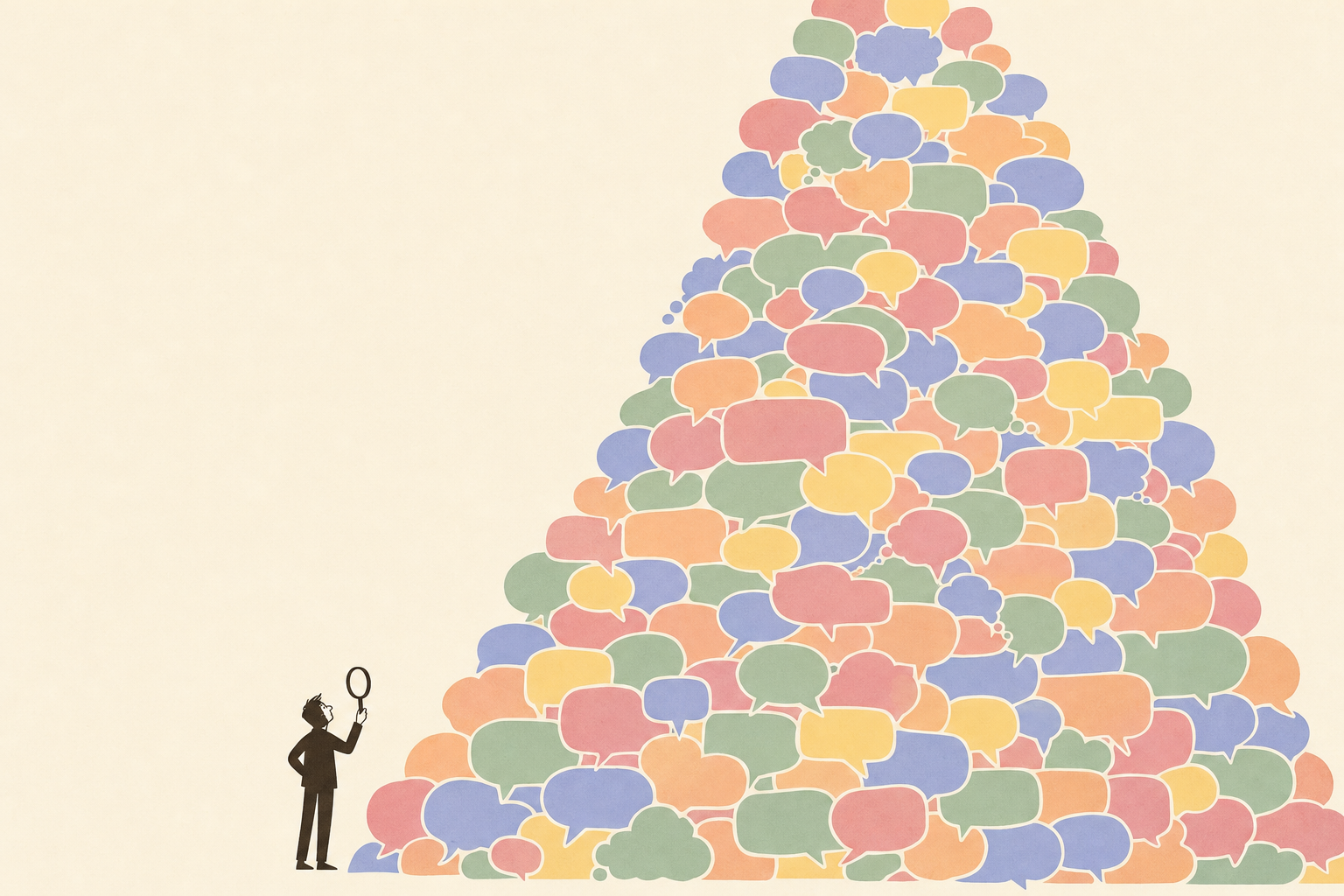
Once everyone uses it, we need to solve another problem. Most AI tools today save a few facts about you and throw the rest of the conversation away. The trouble is that nobody knows in the morning what will matter by evening. A customer’s aside about next year’s budget, a supplier’s offhand “we’re moving warehouses in spring”: they sound like noise when they’re said. Two months later, that aside is the reason a deal moved.
People don’t decide what to remember while they’re awake either. You live the day, and the sorting happens later. So the chat has to keep everything: every conversation, every correction, every answer someone accepted or threw back. That’s far more than the short profile most AI tools keep about you today, which we described in AI that remembers how you work.
But keeping everything isn’t enough on its own. Nobody can reread two hundred hours of meetings. Keeping everything only helps if something reads it.
Then it has to dream
So the third problem is reading it all and learning from it. It’s also the one we spend most of our time on.
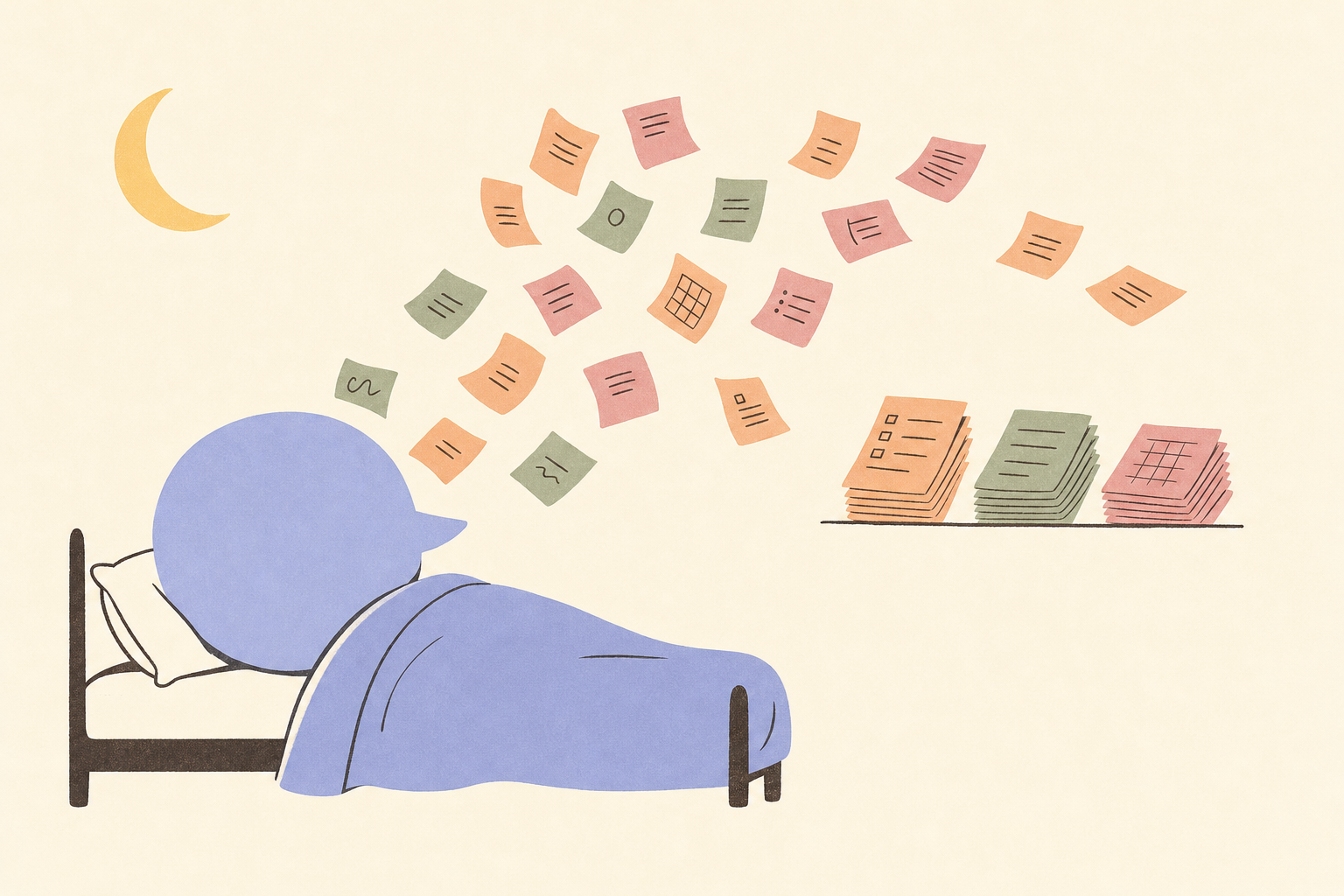
Your brain does this every night. While you sleep, it replays parts of the day, keeps what mattered and lets the rest fade. You wake up knowing things you never decided to learn.
An AI can do something similar, just differently. During the day, it answers. At night, a separate process rereads the day’s conversations and looks for things no single person could spot, because no single person was in all of them:
Did several people ask the same thing? If three people on three teams asked how to handle a returned shipment, the answer should be written down once, and the fourth person should get it before they ask.
Did two people give different answers? If sales tells customers delivery takes a week and support says ten days, someone needs to know before the customer does. Each of them only knows their own answer. The AI is able to read both conversations.
Did someone correct it? When a colleague says “no, that client is billed per site”, the correction shouldn’t stay in one conversation. It becomes something the whole company knows, there for the next person on a random Monday.
What turned out not to matter? The AI also has to forget. The one-off request, the outdated price, the plan that was dropped get set aside so the AI stops using them.
Once a week, a slower pass looks at the week as a whole: what came up again and again, what changed, which rules from last month nobody follows anymore. The daily pass picks up single corrections; the weekly one picks up patterns that only show over several days.
This is where the AI differs from a person. You only sort your own day. The AI can sort the day of everyone who used it.
What stays yours
Learning from everyone raises a fair question: not everything you say to a chat belongs to your employer. So the dreaming should run on two levels kept apart, what you know and what the company knows. Your own conversations teach your own assistant. A step decides which lessons belong to the team and which stay with you, and it has to show what it moved. That split is how we’re building IntoChat.
Try one night by hand
You can see the size of the problem without any software. On Friday, ask three people on your team one question: what did you learn this week that someone else here will need?
You’ll probably hear about a supplier’s quirk, a customer’s preference, a fix for something that broke. Then ask who else knew. Usually nobody did. You’ve just done by hand, for three people and one week, what the AI could do every night for the whole company.